

SWISSCOY contributes to security in Europe
Peace as a fragile state. In his article “SWISSCOY contributes to security in Europe”, State Secretary Markus Mäder explains why, in times like these, peacekeeping in the Western Balkans must not be neglected .
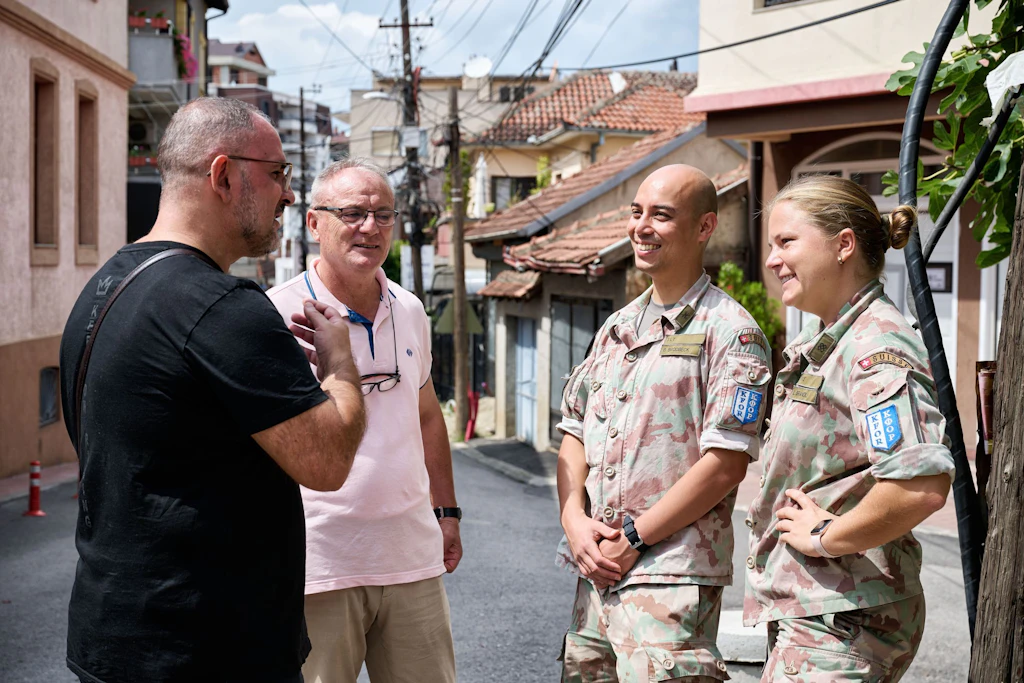
“[…] at a time when the security situation is deteriorating, new conflicts emerge and previous fault lines widen, one thing remains certain: peacekeeping is more important than ever, even as it becomes more challenging”, Markus Mäder summarises in his article in Swiss Peace Supporter. According to Mäder, security is under threat from various actors, particularly in the Western Balkans.
In his article, Markus Mäder explores the motives behind the destabilisation of the region and the consequences that Europe―and Switzerland in particular―would have to face. The full article is available in the digital edition of Swiss Peace Supporter, pages 4-9.
About the author
Dr Markus Mäder is State Secretary for Security Policy and head of the office of the same name. He has been involved in security and defence policy in various roles and capacities for over twenty years. Mäder himself once served in KFOR.
À propos de la publication
L'article « La SWISSCOY contribue à la sécurité en Europe » a été publié dans le magazine Swiss Peace Supporter, numéro 1/26, paru en mars, est consacré au thème de La SWISSCOY dans l’environnement sécuritaire européen. Swiss Peace Supporter est publié par le centre de compétences SWISSINT.
About the publication
The article “SWISSCOY contributes to security in Europe” was published in the magazine Swiss Peace Supporter, issue 1/26. This issue is dedicated to the SWISSCOY in the European security environment. Swiss Peace Supporter is published by centre SWISSINT.
Further information on the topic
Would you like to learn more about the topic? In the thematic file Security policy on the website of the SEPOS, you find further information on, for example, the Security Policy Strategy 2026.